Innovation at work in the fields

Through partnerships with universities, conservation groups, and industry leaders, our farm serves as a testing ground for practices that strengthen both the harvest and the habitat.

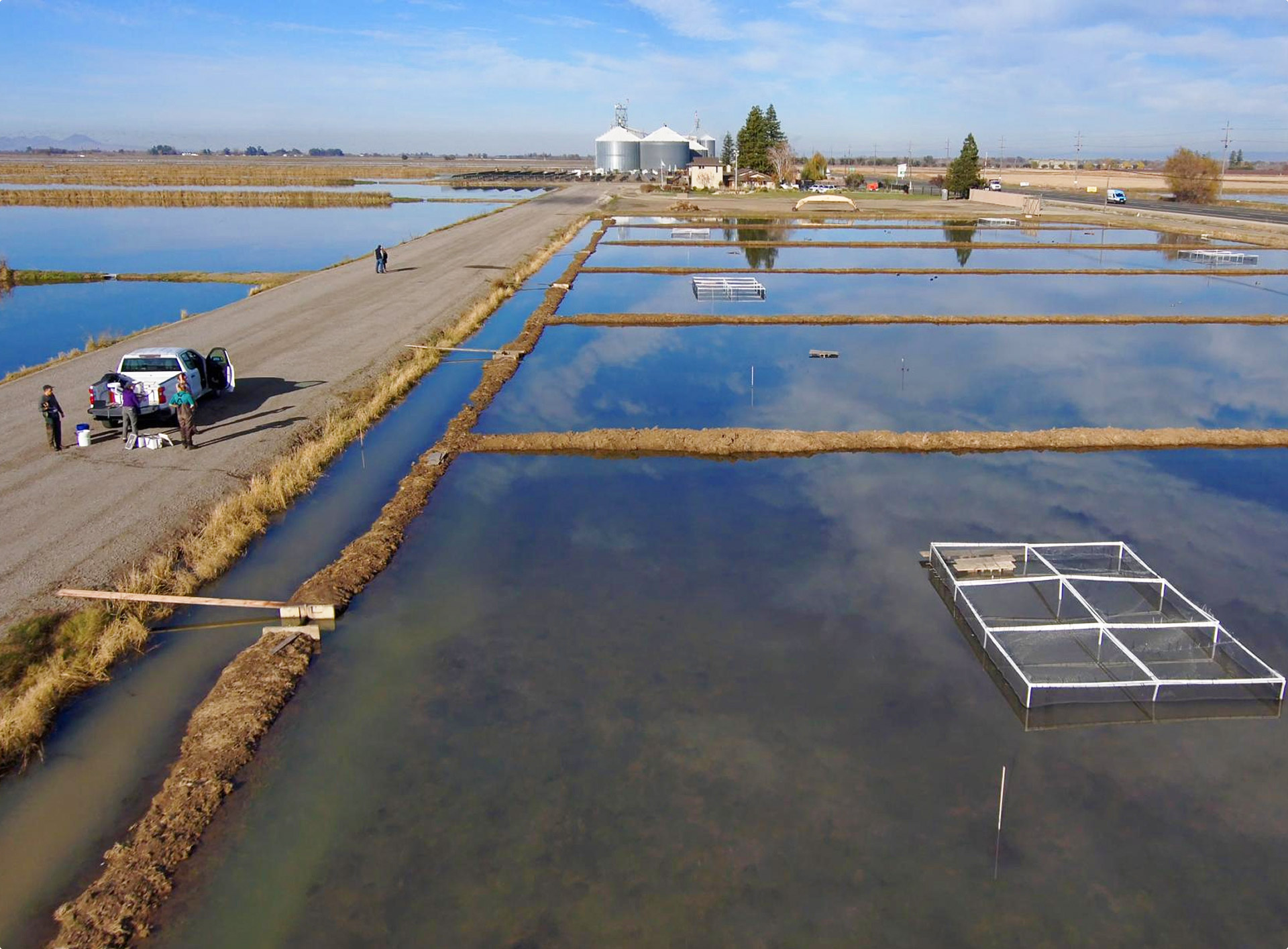
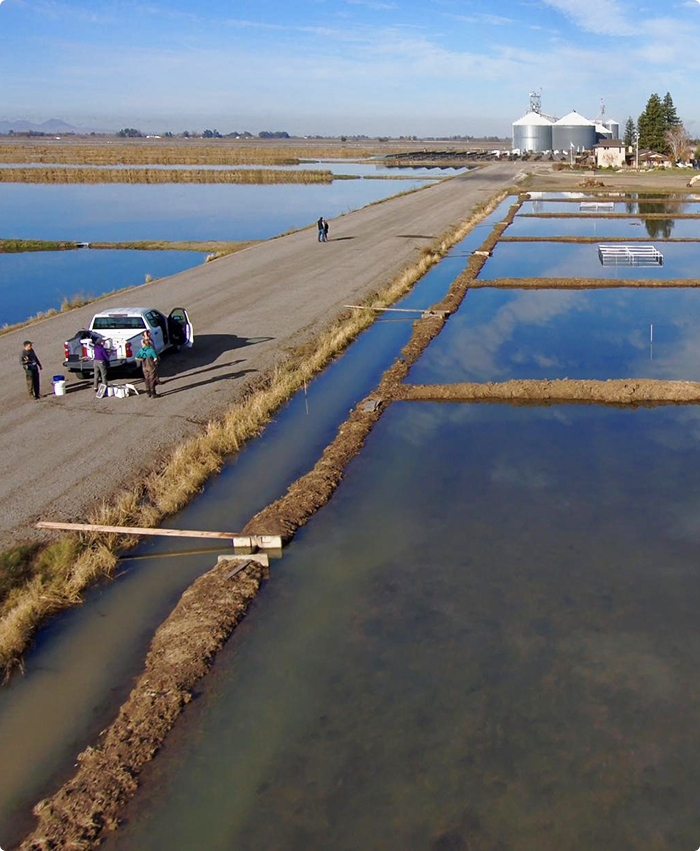
Researchers standing by a pickup truck near large, rectangular water-filled experimental ponds with mesh enclosures, under a blue sky.

Innovation at work in the fields

Through partnerships with universities, conservation groups, and industry leaders, our farm serves as a testing ground for practices that strengthen both the harvest and the habitat.

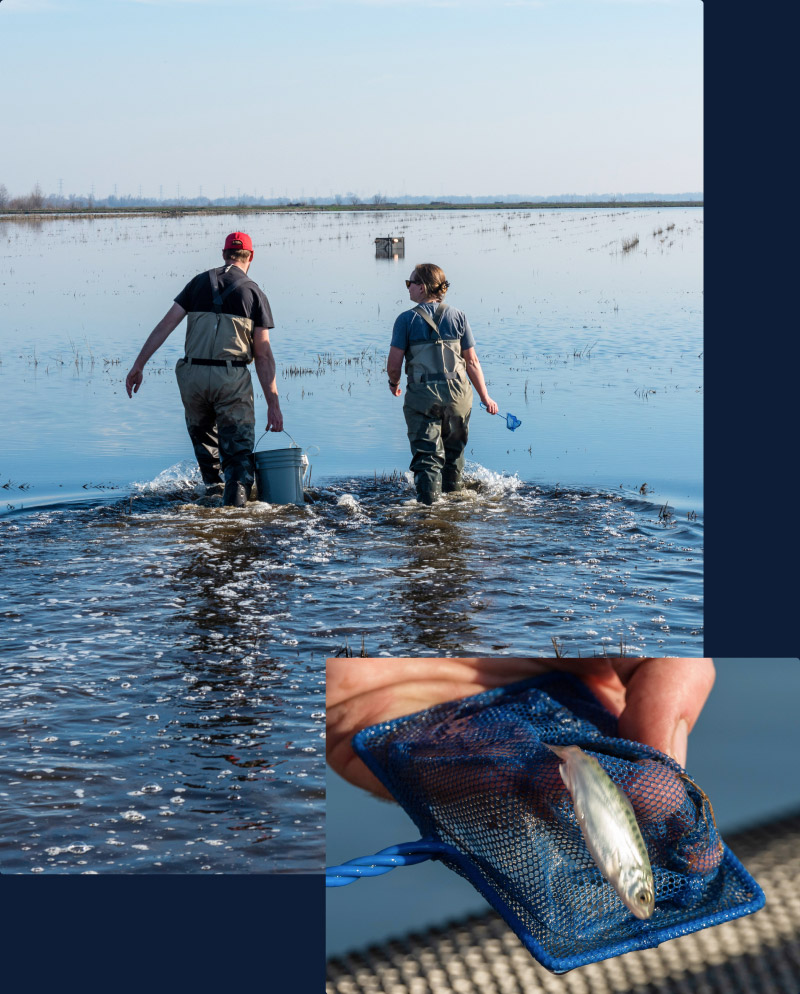
Two people in waders walking through shallow water carrying a bucket and small net, inset shows a small fish in a blue net held by a hand.

From lab to field

Turning research into real-world application for an entire industry

Our approach is simple: use science and collaboration to make farming stronger. From working with UC Davis to Ducks Unlimited, we partner with organizations that share our vision for agriculture that’s innovative and resilient.

Many of these ideas — like extending winter habitat or improving salmon survival — are now everyday practices on our land. The result is measurable progress for our partners, healthier ecosystems for wildlife, and reliable harvests for buyers.

This land isn't just our home

Situated in the heart of the pacific flyway of the Pacific Flyway, our farm is positioned to care for millions of animals throughout the year.

Through our conservation easements, we can produce much more than premium short grain rice –we can provide wetlands that serve both people and wildlife, and support food systems and ecosystems for future generations.

Group of brown shorebirds standing and preening in shallow water with their reflections visible.

230 Species

use California’s rice fields each year, including birds, snakes, and other critters.

96%

of Montna farmland under conservation easement

2x

Early fall flooding on our lands support shorebird and cranes.

7 million

ducks and geese that migrate down the Pacific Flyway

3x

improved growth rates observed in juvenile salmon near managed floodplain water

35

waterbird species documented on our farm, following implementation of variable drawdown practices
Water at work

Growing fish food during salmon migration

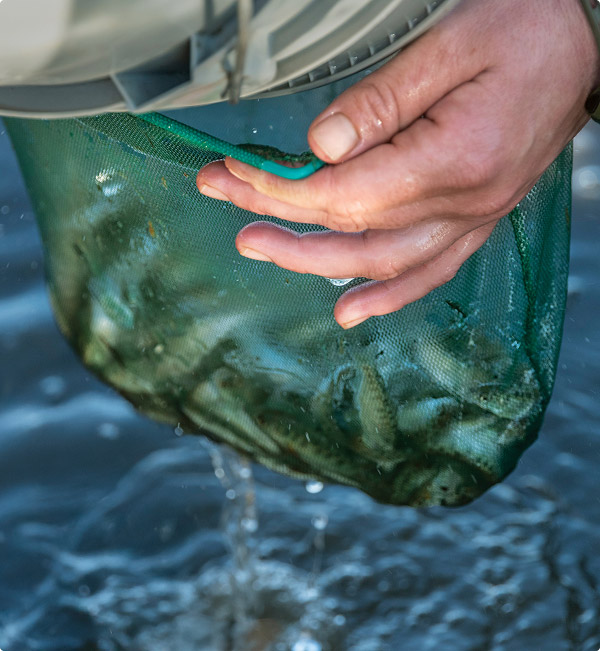
By strategically releasing water rich in zooplankton from post-harvest fields, Montna Farms reconnects rivers with the food sources they’ve lost to levees. Juvenile salmon feeding downstream grew three times faster than fish without access to this food web — proof that smart water management can help endangered species recover.

Close-up of a hand holding a green mesh net with small fish inside above water surface.
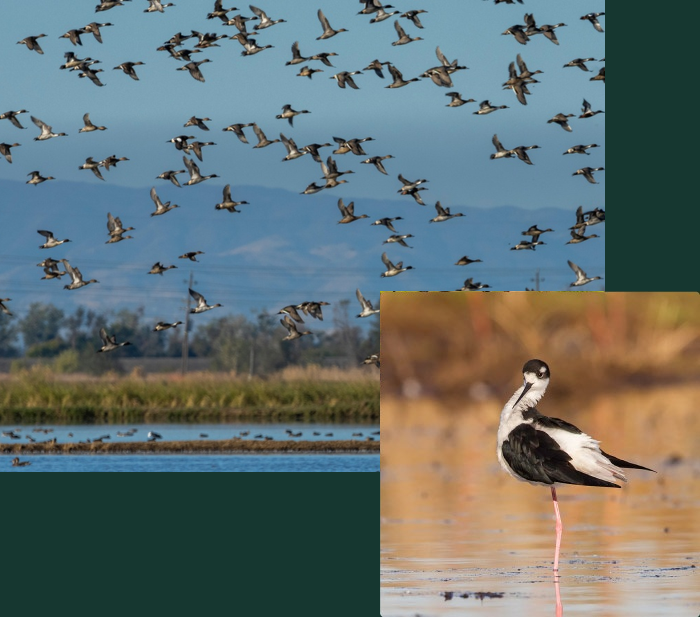
Large flock of small birds flying over a dirt path with green fields and a distant mountain, alongside an inset close-up of a black and white wading bird standing on one leg in shallow water.

Season extended

Extending the season for migratory birds

Rather than draining fields all at once, Montna reduces water levels gradually — holding habitat weeks longer than the industry standard. This simple shift has attracted 35 species of waterbirds and provides vital food sources as millions of birds migrate through the Pacific Flyway.

Cutting emissions without cutting yields

Montna is among the first rice farms in California to adopt alternative wetting and drying methods at scale. By drawing down water for just seven days during the growing cycle, methane emissions fall by 40–60% — all while maintaining yields.

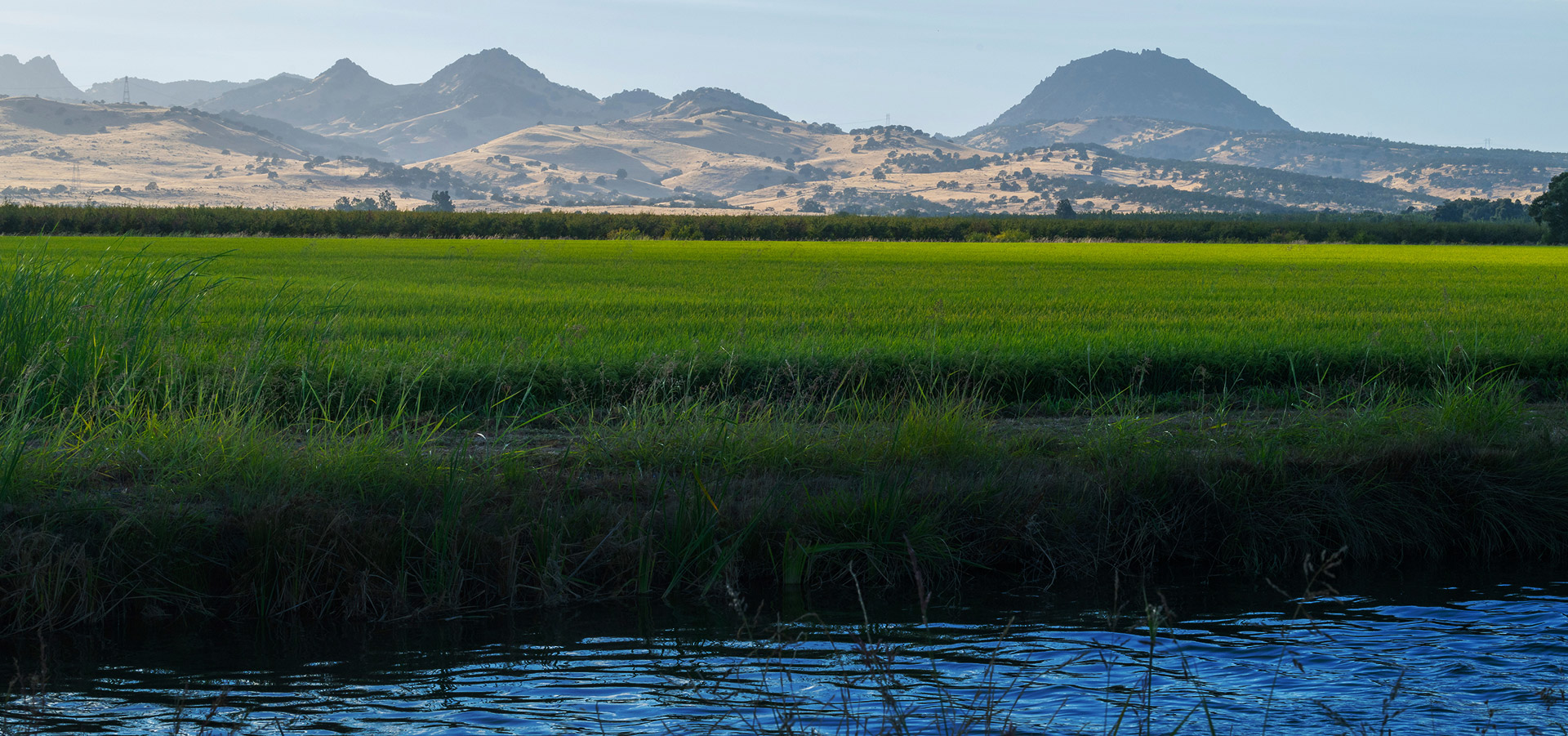
Lush green field with a water canal in the foreground and dry, hilly mountains under a clear sky in the background.